
Getting Ready for the 2027 Race Season: Why You Need a Pop-Up Pit Perch
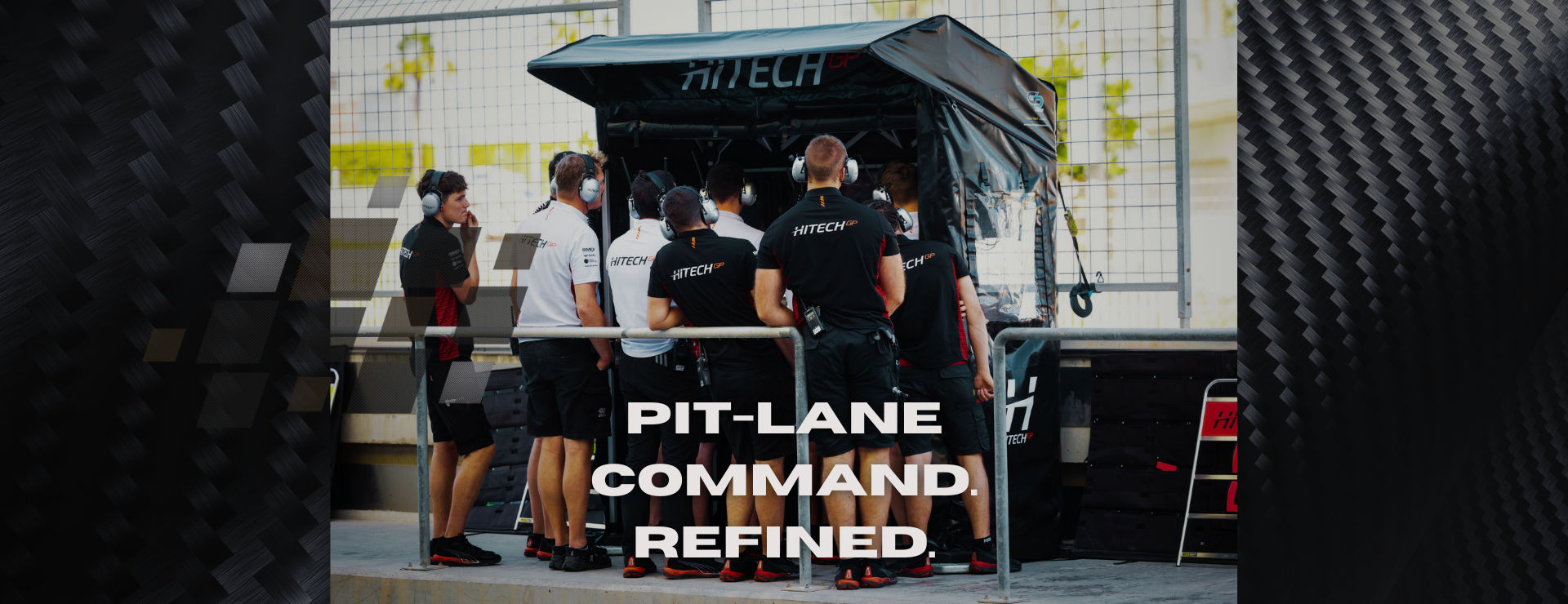
The winter break is when race teams fix the things that cost them time last year. For many, the pit wall is on that list. A pop-up pit perch gives the team one organised, weather-protected command position that a small crew can put up in minutes and one wheeled bag can carry, which makes it one of the simplest upgrades to make before the 2027 season starts.
Why the off-season is the time to sort the pit wall
Every team keeps a list of what went wrong last year. A late tyre call, a radio that dropped out, a screen that washed out in low sun, an hour lost building the pit wall in the rain. The off-season is the only point in the calendar with enough time to fix those things properly.
Pit wall equipment tends to get left until the first test day, when the schedule has no slack. Deciding in the winter means the kit has arrived, been packed and been tried at least once before round one.
Pre-season testing is also the cheapest place to find problems. A missing cable or a bracket that does not fit costs little in the workshop and a great deal on a race weekend.
A pre-season pit wall checklist
Audit the trailer
Measure what the pit wall gear takes up now and decide what you want that space for instead. Bars, beams and panels are bulky, and every centimetre counts once tyres, fuel and spares are loaded.
Time the build
Time a full build and strip-down with the crew you will actually have at the circuit. If it takes longer than the gap between sessions allows, the system needs to change.
Plan power and lighting
Work out what the screens, laptops and radios draw and where the supply comes from. Night running and early starts need proper lighting at the wall.
Prepare for weather
Decide what covers the crew and the kit in rain, wind and low sun. Open sides help in summer, and full enclosure helps through overnight stints.
Organise the data position
Agree where each screen, laptop and radio sits, so everybody knows where to look and where to reach.
Rehearse before round one
Put the whole setup up at a test day or in the yard. Fix what you find while it is still cheap to fix.
Pop-up pit perch or bar-and-panel build?
| Area | Traditional bar-and-panel | Pit Perch |
|---|---|---|
| Handling | Heavy components that need several people | Approx. 62kg in a wheeled transport bag |
| Trailer space | Bulky bars, beams and panels | Packs to 1630mm x 650mm x 370mm |
| Setup | Long build and strip-down times | Erected in minutes by a small crew |
| Flexibility | Fixed once built | Fully enclosed or opened up as conditions change |
Why a pop-up pit perch is necessary
The modern calendar leaves little room for slow set-ups. Teams run more events, travel with fuller trailers and turn the pit wall around between sessions. A structure that needs several people and a long build uses up time that belongs to the car.
It takes less room
The Pit Perch packs to 1630mm x 650mm x 370mm in a wheeled transport bag, so it fits into a trailer that is already full.
It goes up quickly
A small crew erects it in minutes, which suits short turnarounds and tight gaps between sessions.
It is easy to move
At approximately 62kg in its bag, it moves without borrowing extra hands from the garage.
It covers the team
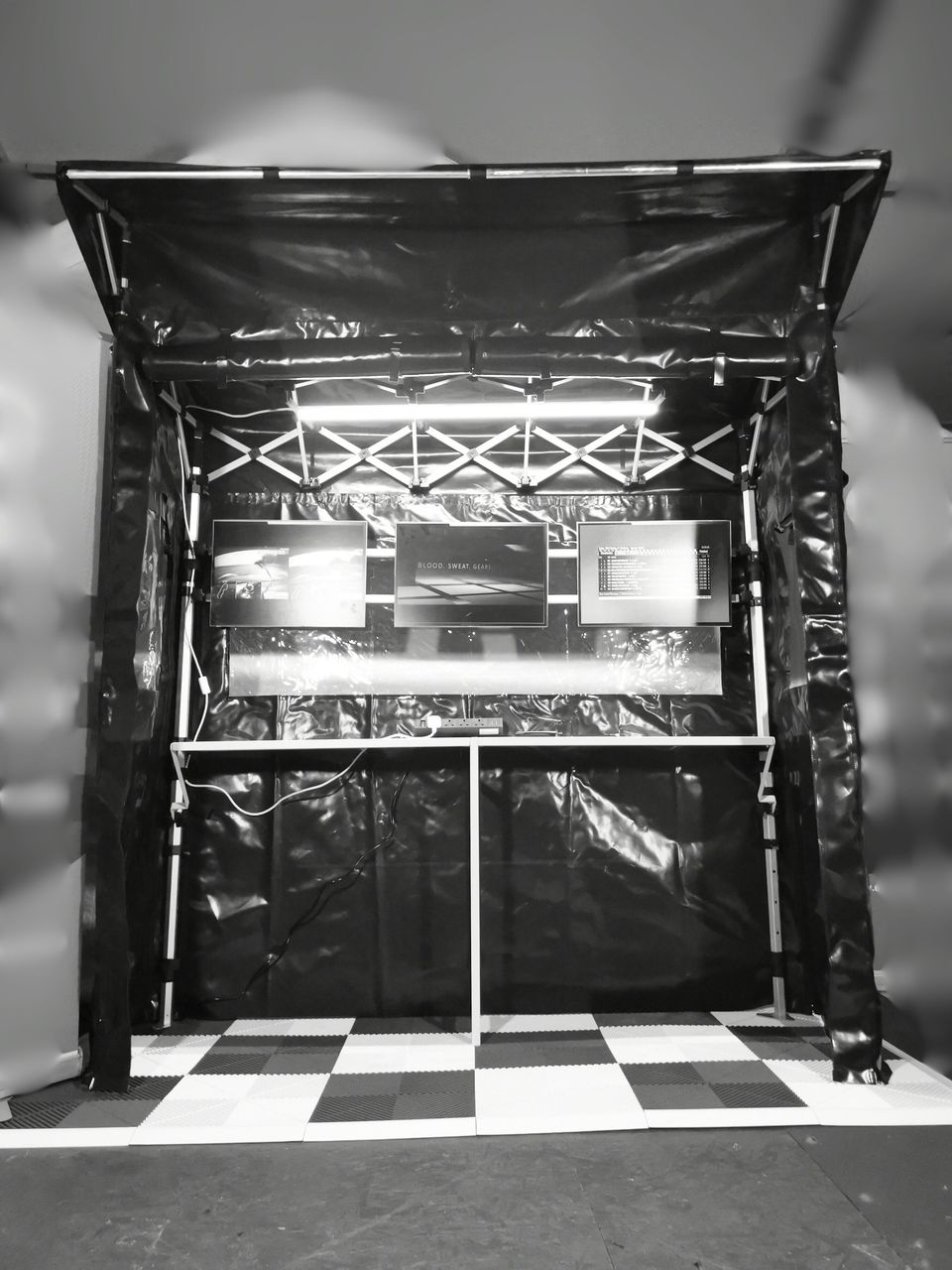
A folding aluminium frame with the heavy-duty PVC used in marquees and commercial awnings gives weather-resistant cover. It can be fully enclosed for rain or overnight stints, then opened up for daytime running.
It gives the data a home
Brackets hold up to three monitors, an integrated table carries laptops and radios, and power and LED lighting are built in.
Taken together, those points turn the pit wall from a job into a routine, and that is what a team needs from the first test day to the final round.
Get the pit wall sorted this winter
The Pit Perch is ready to order. Read the full breakdown on our pit wall systems page, or go straight to the product page.
Pre-season pit wall FAQs
When should a race team prepare for the 2027 season?
What does a race team need on the pit wall?
Why use a pop-up pit perch instead of a bar-and-panel build?
How quickly can a Pit Perch be set up?
How big is a Pit Perch when packed?
Can a Pit Perch be used in the rain?
